Marek’s Disease in Chickens: Signs, Prevention and Care
A hen can look perfectly normal at pickup and become unsteady weeks or months later. That delay is why Marek’s disease is easy to mistake for a bad landing or a pulled muscle. Your first job is not to name the disease from one limp. It is to spot the pattern, protect the bird, and stop making flock decisions on guesswork.
Marek’s disease can’t be confirmed by staring at one foot. This guide helps you decide what to record, what to isolate, what vaccination can realistically do, and when home care has reached its limit.
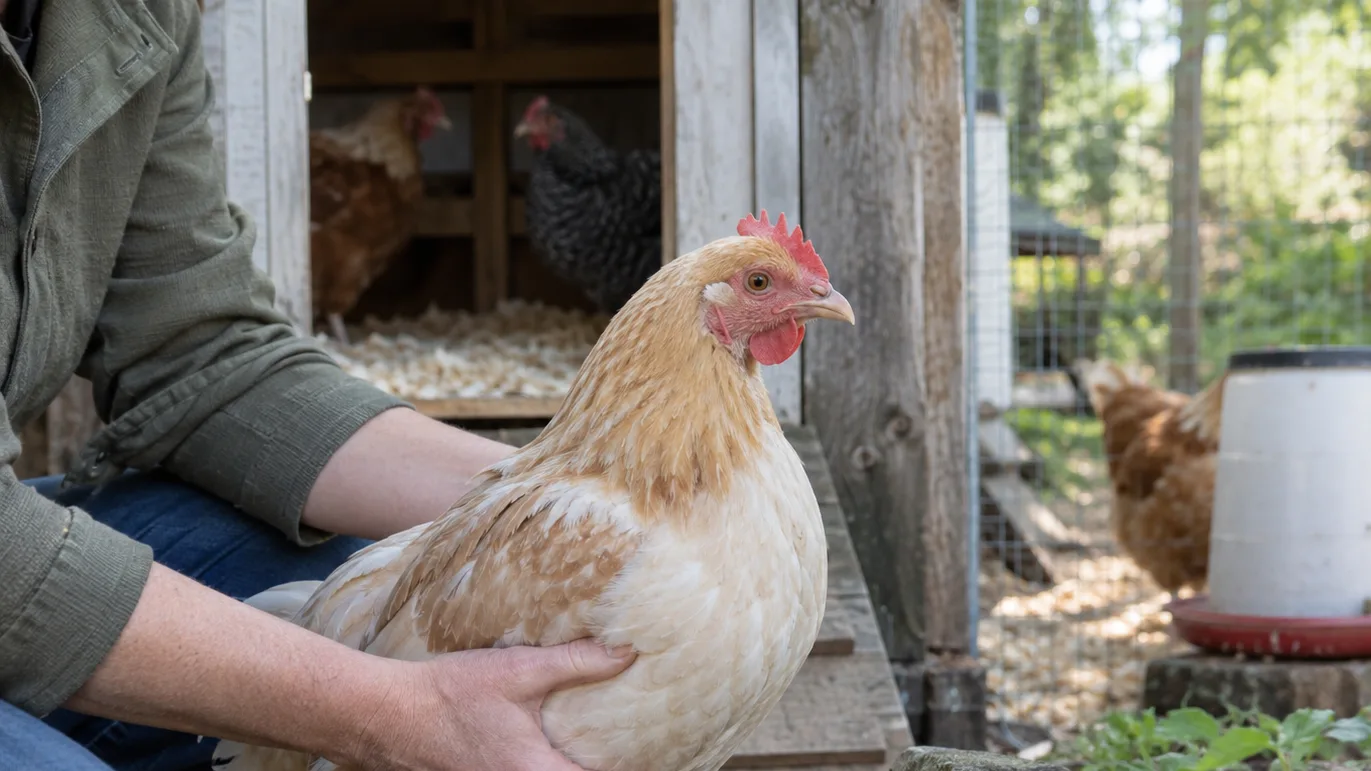
Marek’s starts with exposure, not the first limp: the 3–25-week window
The neat 3–25-week label in this heading is a rough keeper’s frame, not a diagnostic clock. In your own flock, I’d think in terms of several weeks to a few months between exposure and visible signs. A bird that becomes weak in June may have encountered the problem well before the day you noticed the limp.
Standard poultry-health references describe Marek’s as a contagious herpesvirus infection. The practical backyard model centers on feather dander and dust. Those materials can be carried around a coop, on clothing, in crates, and on equipment. Direct pecking between two birds is not the only concern.
That changes how you read one sick hen. She may have an isolated injury. She may also be the first bird in an exposed flock to show a visible problem. The useful rule is simple: treat one suspected case as a welfare problem for that bird and a biosecurity problem for the flock. Don’t panic, but don’t treat it as an ordinary sprain until you have checked the wider pattern.
One practical insight: the first visible case is often a flock-management problem before it is a single-bird problem. The bird in front of you deserves care, but the other birds deserve a pause on sales, swaps, and unnecessary movement.
The signs to log: leg or wing paralysis, weight loss, eye changes, and tumors
Start with what you can see and write it down before handling the bird. Note which leg is weak, whether the wing droops, whether the bird can reach water, and whether the change is getting worse. A short video of the walk is often more useful to a vet than a description written after the fact.
| What you see | What it may look like at the coop | What to record |
|---|---|---|
| Early weakness | One leg drags, a wing hangs lower, or the bird sits back on its hocks. | Which side is affected and whether the bird can stand briefly. |
| Progressing weakness | The bird stumbles, falls repeatedly, cannot roost, or struggles to reach feed and water. | When the change began and whether it is progressing over hours or days. |
| Weight loss | The breast muscle feels reduced even if the bird still shows interest in food. | Feed interest, drinking, droppings, and body condition. |
| Eye changes | A pupil looks gray, uneven, or oddly shaped, or the bird seems unable to judge distances. | Photos in natural light and whether both eyes look alike. |
| Internal decline | The bird becomes thin, tired, or poorly coordinated without an obvious lump. | Breathing, posture, appetite, and the speed of decline. |
Young birds are a common part of the Marek’s conversation, but age does not confirm the disease. A pullet that sits low on her hocks could have Marek’s, an injury, a nutritional problem, or another illness. Likewise, a bird with an eye change may need an eye examination rather than a Marek’s label.
If itching, scabs, or broken feathers are the main picture, compare it with chicken mites treatment before centring the whole case on Marek’s. Skin irritation can make a bird look miserable without explaining progressive neurological weakness.
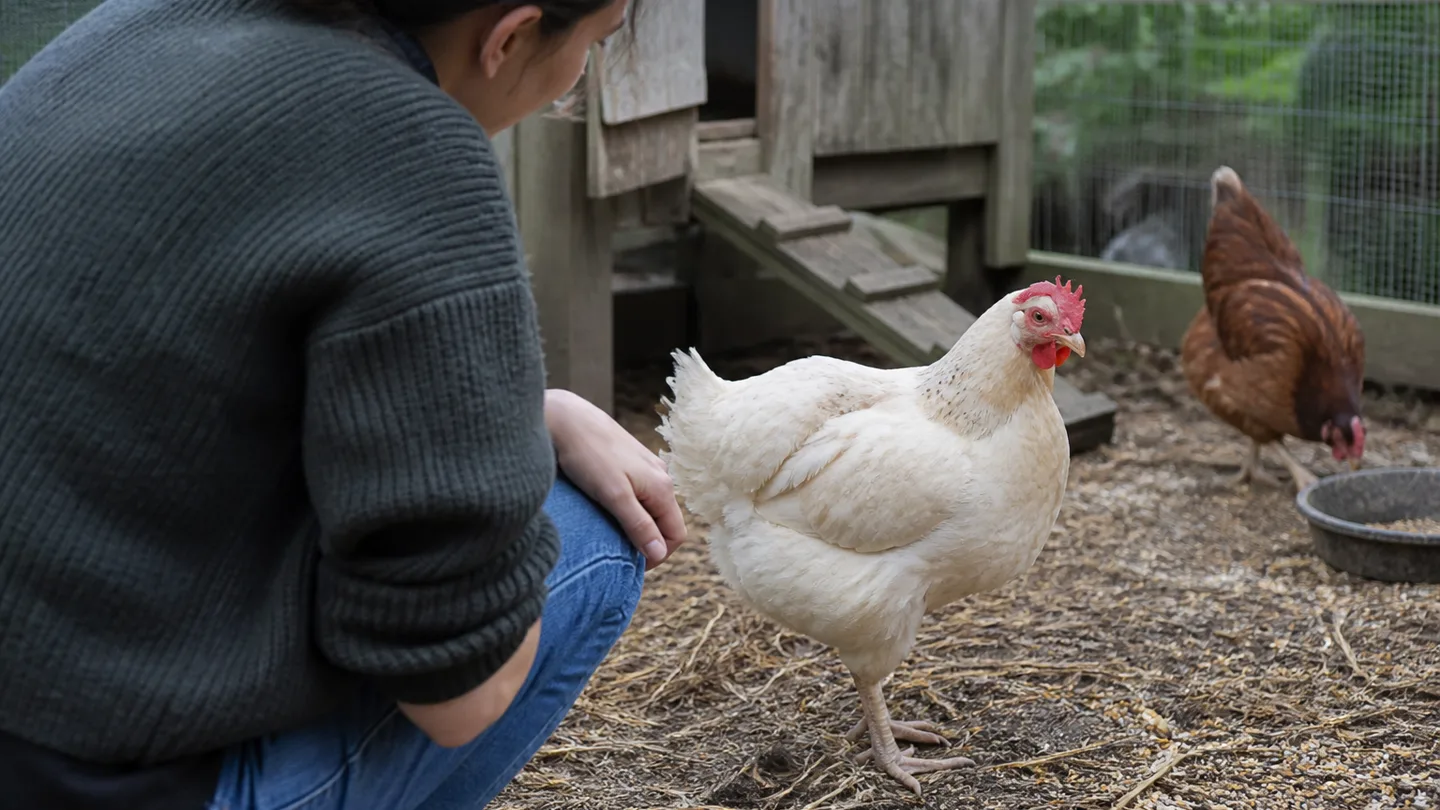
A weak leg is not a diagnosis: sort Marek’s from injury, botulism, deficiency, and lymphoid leukosis
Before you decide what the weakness means, work through the pattern in this order.
- Check the timeline. A bird that was normal, collided with something, and became lame immediately deserves an injury check first. A weakness that slowly progresses over days deserves a wider disease workup.
- Check the flock pattern. One bird after a fall points you in a different direction from several birds showing weakness after eating from the same feeder. A shared problem raises the importance of feed, toxins, and environmental exposure.
- Check appetite and droppings. A bird that wants food but cannot reach it has a different immediate need from a bird that refuses food, drinks poorly, or has a major change in droppings.
- Ask about spoiled material. Access to rotting feed, carcasses, stagnant water, or other decaying material makes botulism a concern. Flaccid weakness, a limp neck, and rapid decline warrant same-day veterinary advice.
- Consider nutrition and other diseases. A deficiency can affect coordination or leg strength, particularly if several birds share the same feed problem. Lymphoid leukosis and other internal diseases can overlap with Marek’s signs.
There is no backyard posture test that separates these conditions reliably. If the bird cannot reach water, has breathing trouble, is repeatedly falling, or if more than one bird is affected, call a poultry vet the same day. A reliable diagnosis may require a necropsy, histopathology, PCR, or another laboratory approach. That is not overreacting. It is the difference between a flock plan based on evidence and one based on a guess.
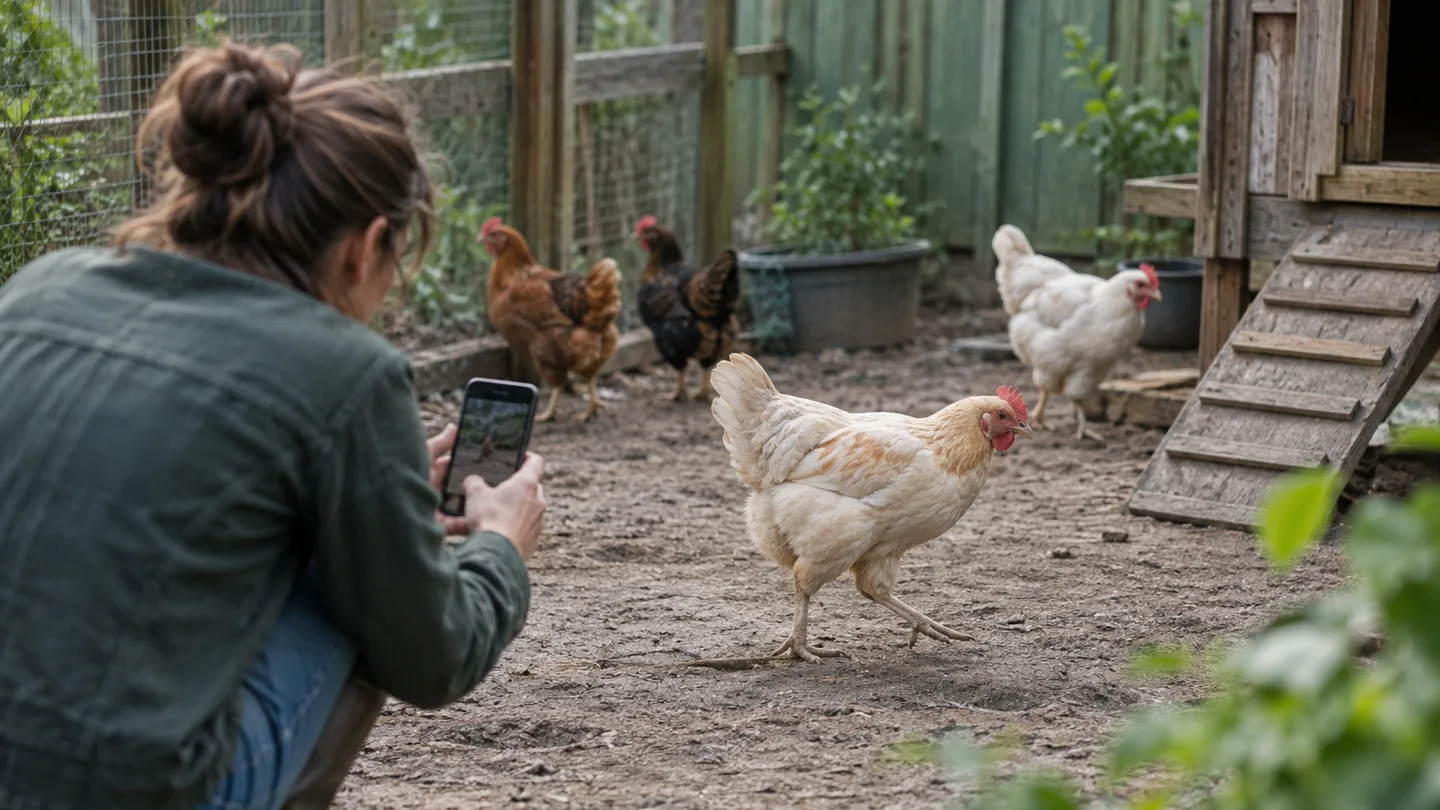
The first 24 hours after suspicion: isolate for comfort, stop movement, and call the vet
Isolation can protect a weak bird from bullying and make observation easier. It cannot undo exposure that may already have occurred. Set up a clean, dry, low-stress pen with non-slip bedding. Remove high perches. Put feed and water close enough that the bird does not have to cross the pen or climb to reach them.
- Move the bird calmly with both hands supporting the body.
- Use a shallow, stable waterer that cannot easily be tipped.
- Film the walk, posture, breathing, and ability to eat.
- Write down age, breed, vaccination history, recent additions, and the exact day you first noticed a change.
- Call your poultry vet or local diagnostic laboratory and ask what samples or examination they need.
Do not sell, give away, or move birds, crates, bedding, or equipment while the cause is unclear. Do not start random medication from a neighbour’s advice. Medication may be appropriate for another diagnosis, but it will not turn a visual suspicion into a confirmed Marek’s diagnosis.
Vaccinate at hatch, before exposure: what the Marek’s vaccine does and does not prevent
Vaccination belongs before exposure, not after the first limp. Most Marek’s vaccination programs are arranged in ovo or at hatch, so confirm the hatchery’s vaccination status before chicks arrive. Ask which vaccine was used, when it was administered, and what records come with the order.
If you hatch your own chicks, check vaccine access before setting eggs. A backyard plan that depends on a product you cannot source, store, or use according to its label is not a plan yet. Ask a poultry veterinarian or hatchery about the product and follow its label instructions. I would not invent a dose or assume an adult-bird product is an equivalent substitute.
The important limit is easy to miss. Vaccination is a seat belt, not a sterilising force field. It is intended to reduce clinical disease, paralysis, tumors, and losses, but it does not give you permission to assume that an exposed bird cannot carry or shed the virus. A vaccinated flock can still need sensible movement and dust control.
That is why vaccination and biosecurity belong in the same conversation. The vaccine lowers the chance that exposure turns into severe visible disease. Good flock practice reduces opportunities for exposure in the first place. Neither one is a guarantee.
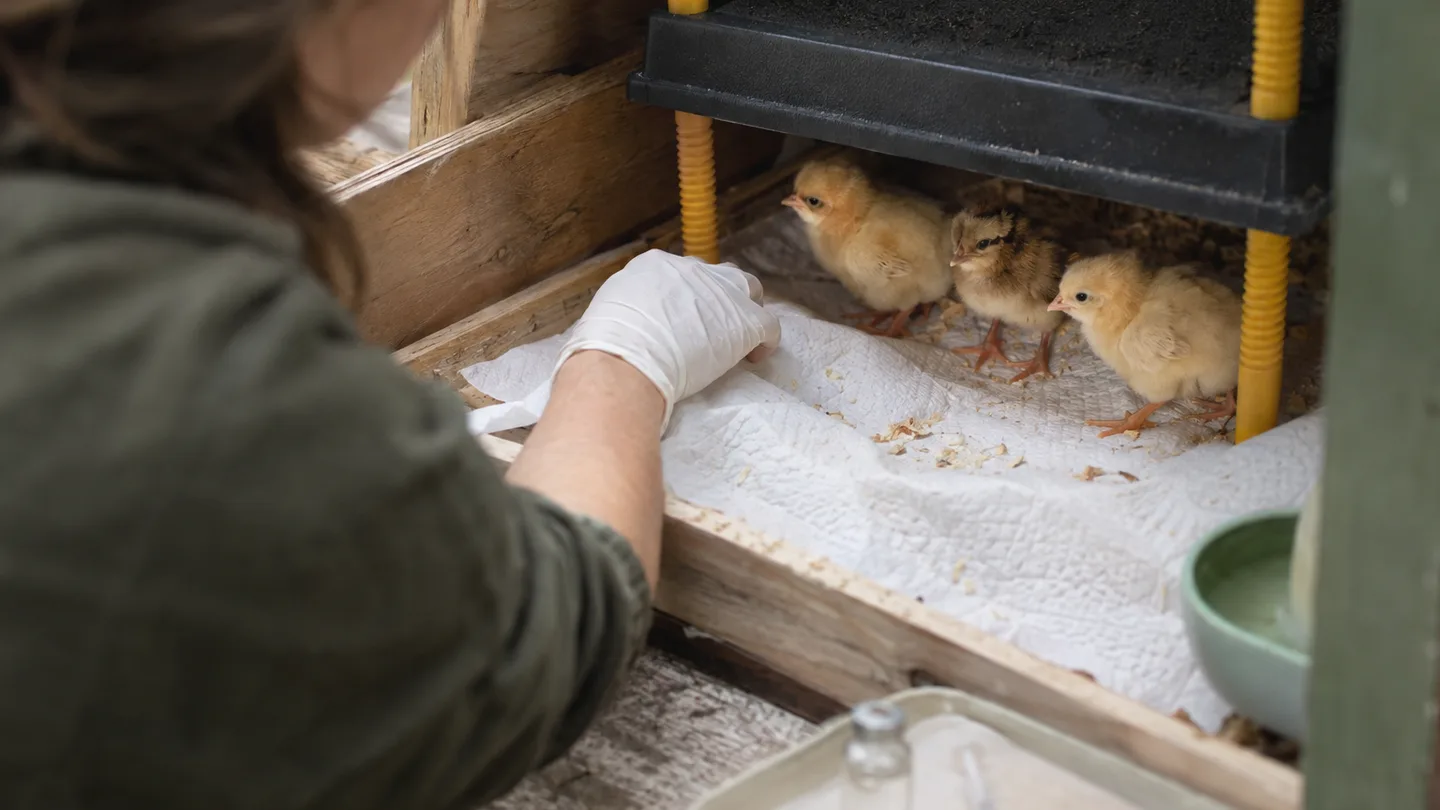
Backyard biosecurity in numbers: a 30-day quarantine, dedicated boots, and dust control
For a small mixed flock, I use 30 days as a general quarantine baseline for new birds. It gives you time to observe appetite, droppings, breathing, weight, and behaviour before mixing. It is not a Marek’s test. A bird can look healthy during quarantine and still have been exposed before you bought it.
Keep new birds in separate housing with separate feeders, waterers, tools, and footwear. Wash your hands after handling them. Care for the established flock first and the newcomers last. Do not share transport crates unless they have been cleaned properly between uses.
Dust control matters because a clean-looking bird can still leave contaminated dander behind. Remove organic material first. Then wash, rinse, and use a suitable labelled disinfectant according to its instructions. Let surfaces dry as directed. Clean from higher surfaces down so you are not dropping fresh dust onto areas you have already finished.
Dry sweeping is a poor choice in a dusty coop because it lifts fine material into the air. Dampen dusty surfaces before removal and bag the waste rather than brushing it across the floor. An empty coop for only a few days is not a dependable reset when the concern involves contaminated dander and dust.
Your cleaning plan should follow the same practical order used in how to clean a chicken coop. For broader background, compare the disease overview with Merck Veterinary Manual guidance on Marek disease signs, diagnosis, vaccination, and control, and use USDA APHIS small-flock poultry biosecurity guidance for movement and hygiene reminders.
Care has a ceiling: supportive setup, diagnostic testing, and humane decisions
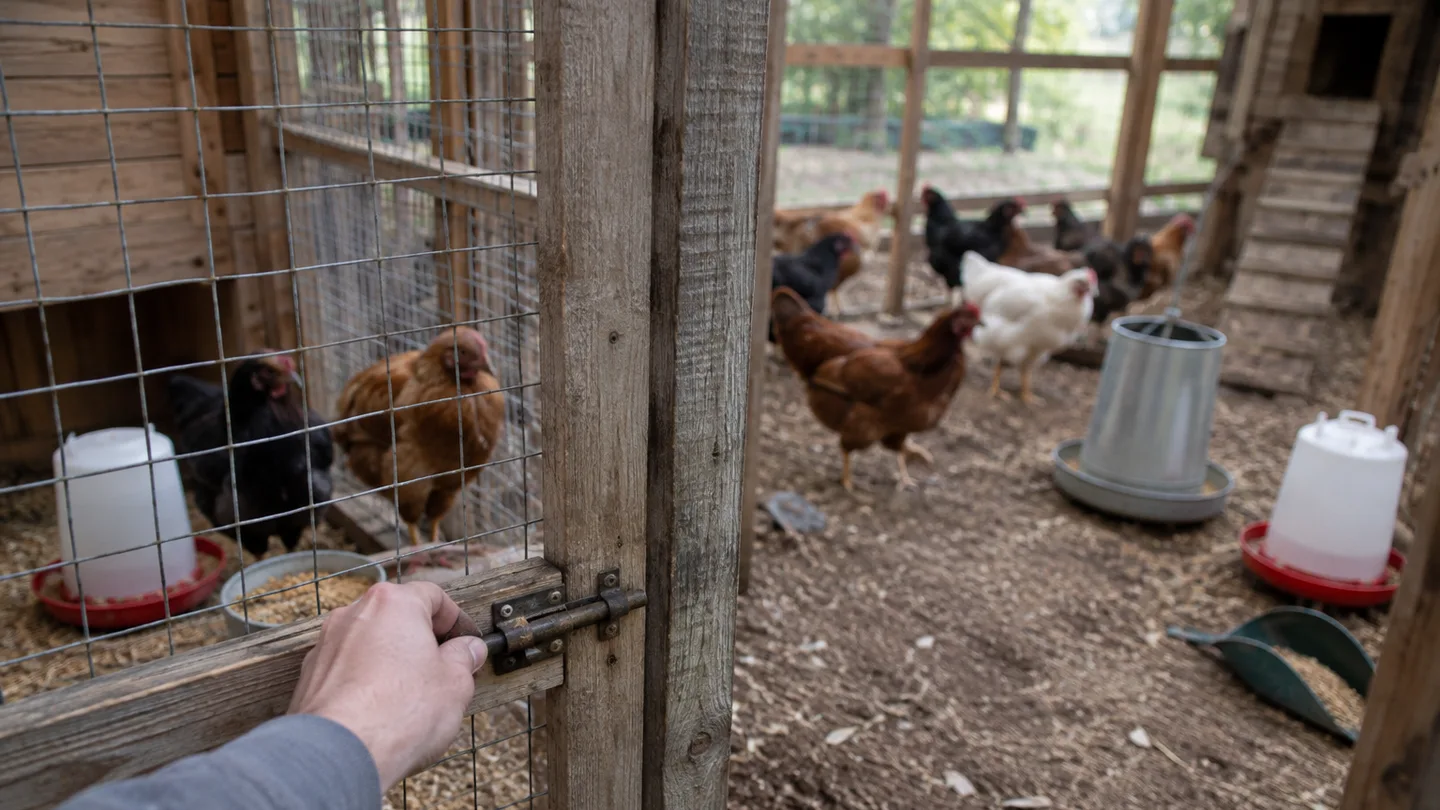
Supportive care is about comfort and access. Use flat, washable, non-looped bedding that gives the bird traction. Keep the pen free of high perches and sharp edges. Put feed and water within easy reach. Check whether the bird can eat, drink, stand, settle, and reach shelter without repeated falls.
In my own small backyard flock, Fern developed a gradual weakness on one side. I moved her into a low pen, put a shallow water dish close to her breast, and filmed her walking before she tired. The setup helped with one uncomfortable truth: she could eat when food was right in front of her, but she could not reliably get across the pen or keep her balance on ordinary litter. I stopped treating the pen as a cure and started treating it as a way to protect her welfare and collect useful information for the vet.
That is the honest ceiling of home care. Supportive care may prevent bullying, dehydration, and additional injury. It does not clear the virus or reliably reverse nerve damage. There is no dependable home cure for Marek’s disease.
Call a vet promptly if the bird cannot reach water, repeatedly falls, loses weight quickly, has breathing trouble, or continues to decline. Ask whether a necropsy or laboratory submission is appropriate if the bird dies or must be euthanised. A diagnostic result can guide decisions about future chicks and flock movement.
Humane euthanasia becomes a welfare decision when a bird cannot eat or drink independently, cannot stay upright, or cannot be kept safe from repeated injury and bullying. Use a veterinarian or an appropriately trained person. Do not prolong suffering while waiting for a home remedy that has no reliable evidence behind it. If bullying is adding to the problem, how to stop chickens pecking each other is the related flock-management question to work through.
After a confirmed case, don’t chase a magic reset: plan the next flock around vaccinated chicks
After confirmation, write down the diagnosis, the affected birds’ ages, vaccination history, dates of visible signs, and any laboratory findings. Stop moving exposed birds and equipment. Clean dust and organic material carefully, but do not promise yourself that one cleaning session or one empty week has made the yard risk-free.
There is no universal waiting period that guarantees a contaminated environment is safe again. The next-flock decision depends on the diagnosis, housing, cleaning options, local veterinary advice, and whether the replacement chicks can be vaccinated before exposure. Discuss the plan with a poultry veterinarian or local extension office rather than choosing a number of days from a forum post.
For many backyard keepers, the practical replacement plan is to order vaccinated chicks, keep them in a clean brooder away from old flock dust, and maintain separate equipment during the early weeks. Build the brooder setup before the chicks arrive. That keeps the hatching and brooding decisions joined to the health plan instead of treating vaccination as an afterthought.
Questions readers ask
Can Marek’s disease infect people?
Marek’s disease is a chicken disease, not a human illness. Your biosecurity concern is carrying contaminated feather dust on shoes, clothing, hands, crates, or tools to another flock.
Can I vaccinate an adult hen after my flock has been exposed?
Marek’s vaccination is primarily a hatch-time prevention step. It is not a reliable rescue treatment for an exposed adult bird. Ask a poultry veterinarian before making a flock-wide plan.
Do I need to cull every chicken if one bird has Marek’s disease?
There is no automatic whole-flock cull rule. Protect the sick bird’s welfare, stop movement, confirm the diagnosis where possible, and plan future replacements around the exposure risk.
How long should I wait before adding new chicks?
There is no universal number of days that makes a yard risk-free. Cleaning, vaccinated chicks, separated equipment, and veterinary guidance matter more than selecting one fixed waiting period.
Your next action this week: check the vaccination record for your next chicks, or book a poultry-vet conversation if you already have a weak bird. Then prepare a low, non-slip isolation space before you need it.
Frequently Asked Questions
Can Marek’s disease infect people?
No. Marek’s disease affects chickens and related birds, not people, but people can carry infected feather dust on shoes, clothing, hands, or equipment to another flock.
Can I vaccinate an adult hen after my flock has been exposed?
Marek’s vaccination is primarily a hatch-time prevention step and is not a reliable rescue treatment for an exposed adult bird; ask a poultry veterinarian before making a flock-wide plan.
Do I need to cull every chicken if one bird has Marek’s disease?
There is no automatic whole-flock cull rule. The immediate decisions are to protect the sick bird’s welfare, stop bird movement, confirm the diagnosis where possible, and plan future flock replacements with the exposure risk in mind.
How long should I wait before adding new chicks after Marek’s disease?
There is no universal waiting period that guarantees a risk-free yard because virus can persist in dander and dust; cleaning, vaccinated chicks, and veterinary guidance matter more than choosing a single number of days.