How Long Do Chickens Live? 5–10 Years Is Typical for Hens
A four-year-old hen can still be healthy, active, and worth keeping even if her nest-box output has slowed. For a small backyard flock, plan on 5–10 years for a well-kept hen. Reaching 10–12 years or more is possible, but it happens often enough that you can hope for it—not build your flock budget around it.
The useful distinction is between a chicken’s total life and the years she lays strongly. Egg production usually changes long before a hen becomes frail. Breed, predators, disease, nutrition, climate, housing, and access to veterinary care can all move a bird toward the shorter or longer end of that range.
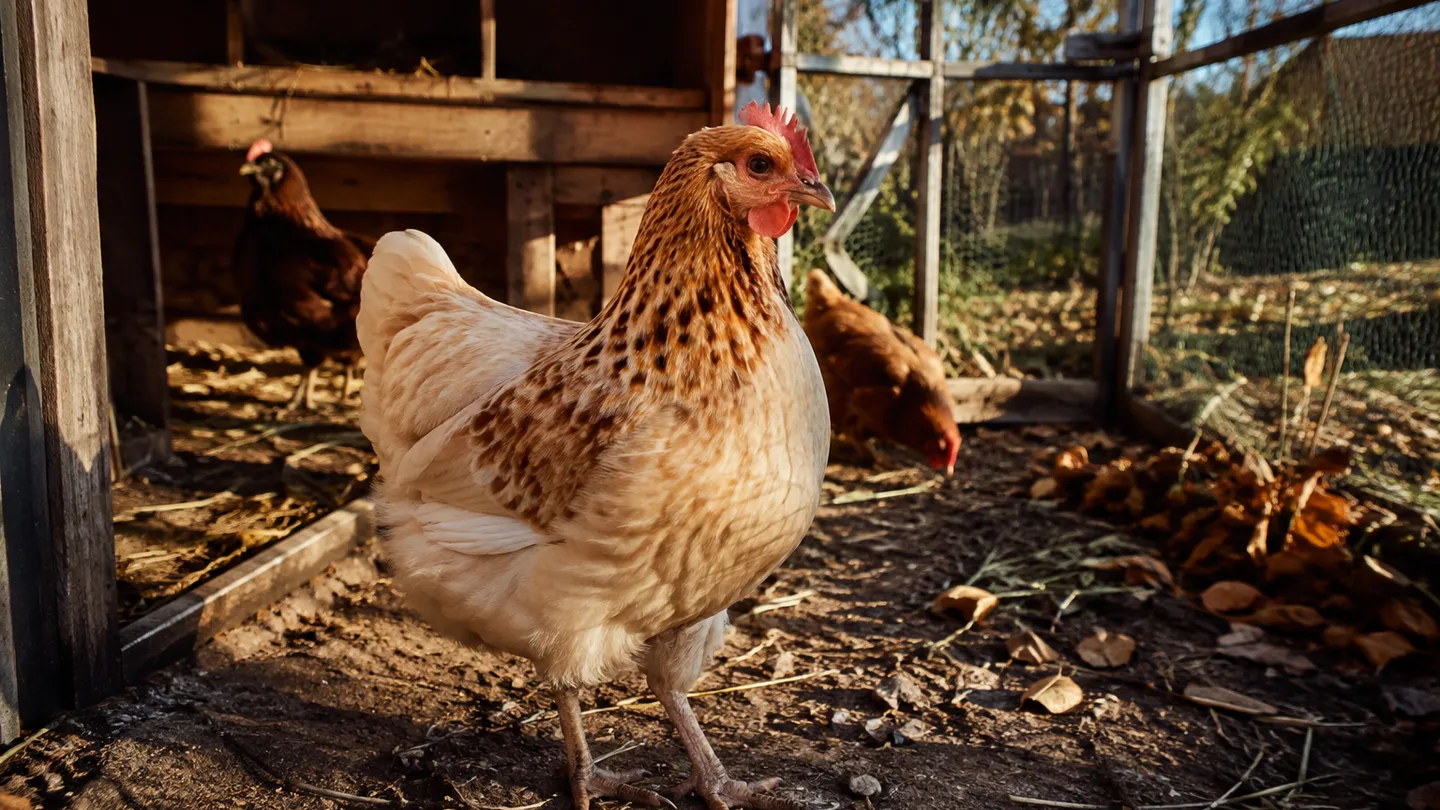
The short answer: a backyard hen commonly lives 5–10 years
For planning purposes, I’d use five to ten years as the normal working lifespan for a backyard laying hen. Some birds die younger from illness, injury, or predators. Some stay comfortable well past ten. The range is useful because it helps you plan for an older bird without pretending that every flock follows the same calendar.
A hen may stop being a dependable layer at six or seven and still have several comfortable years ahead. She may lay fewer eggs, take longer to recover from a molt, lose some muscle, or spend more time resting. Those changes can fit normal aging. They do not automatically mean she is suffering or that she must leave the flock.
- Predator access can shorten a life abruptly, especially when birds free-range without a secure night shelter.
- Chronic disease and parasites can drain condition slowly rather than producing one obvious crisis.
- Nutrition and water affect feather growth, muscle, bones, and recovery from stress.
- Climate matters through heat load, dampness, ventilation, and winter exposure.
- Breed and individual genetics influence how a bird ages, but they do not guarantee a particular lifespan.
- Veterinary care can change the outcome when a problem is found early and treatment is appropriate.
My practical rule is simple: keep an older hen because she is comfortable and functioning, not because she is still paying for herself in eggs. A backyard flock is not a vending machine. A bird can become a senior member without becoming a useless one.
The clock changes with the bird: laying hens, roosters, broilers, and hybrids
“How long do chickens live?” gives a misleading answer if you compare birds raised for very different jobs. A backyard layer, a rooster, and a broiler may all be the same species, but their management and purpose are different.
Broilers are commonly processed at roughly 6–12 weeks in small-scale meat-bird planning. That short window reflects rapid growth and the purpose of the project. It does not mean the bird was biologically incapable of living longer. Keeping a meat bird beyond the intended window can create a different management problem, including heavier bodies and more pressure on legs and joints.
Roosters can share the same broad natural lifespan as hens, but their risks are not identical. Fighting, repeated mating, poor flock ratios, and free-ranging farther from the coop can change the outcome. A calm rooster with a secure run may age well. A rooster constantly defending territory may not.
Heritage birds, modern hybrids, and heavily selected laying lines may also age differently. Some hybrids start strongly and show a more noticeable decline later. Some heritage birds mature more slowly but remain useful for longer. Treat those as tendencies for planning, not promises about an individual chick.
The comparison I’d use is this: a laying hen is a long-term companion and food-producing animal; a broiler is a short-cycle project. Mixing their timelines is how new keepers end up expecting every chicken to have the same lifespan and body condition.
From hatch to senior flock member: the age windows that change care
Chicken life stages overlap, but the following windows are useful for deciding what your birds need next.
- Hatch to about 6 weeks: chicks need dependable warmth, chick-appropriate complete feed, clean water, dry bedding, and protection from drafts and predators. Small mistakes show quickly at this age because chicks have little reserve.
- About 6 weeks to 6 months: young birds feather out, establish rank, and move from brooder management into ordinary flock housing. Their space needs rise as their bodies grow. Crowding at this stage can create pecking and bullying problems.
- About 18–24 weeks: many pullets begin laying during this window, although breed, daylight, body condition, and individual development can move the date. Use it as a planning range, not a deadline.
- The first one or two laying seasons: this is usually when a healthy layer gives you her strongest and most consistent production. A pause for molt, heat, stress, or short winter days can interrupt that pattern.
- About 5–6 years onward: treat the bird as a senior flock member. Expect lower output in some hens, but judge health by appetite, mobility, breathing, body condition, and social behaviour rather than the egg count alone.
Not every hen reads the calendar. A pullet may lay earlier or later than her flockmates. An older hen may continue laying regularly. The decision rule is to investigate a sudden change instead of dismissing it as age.
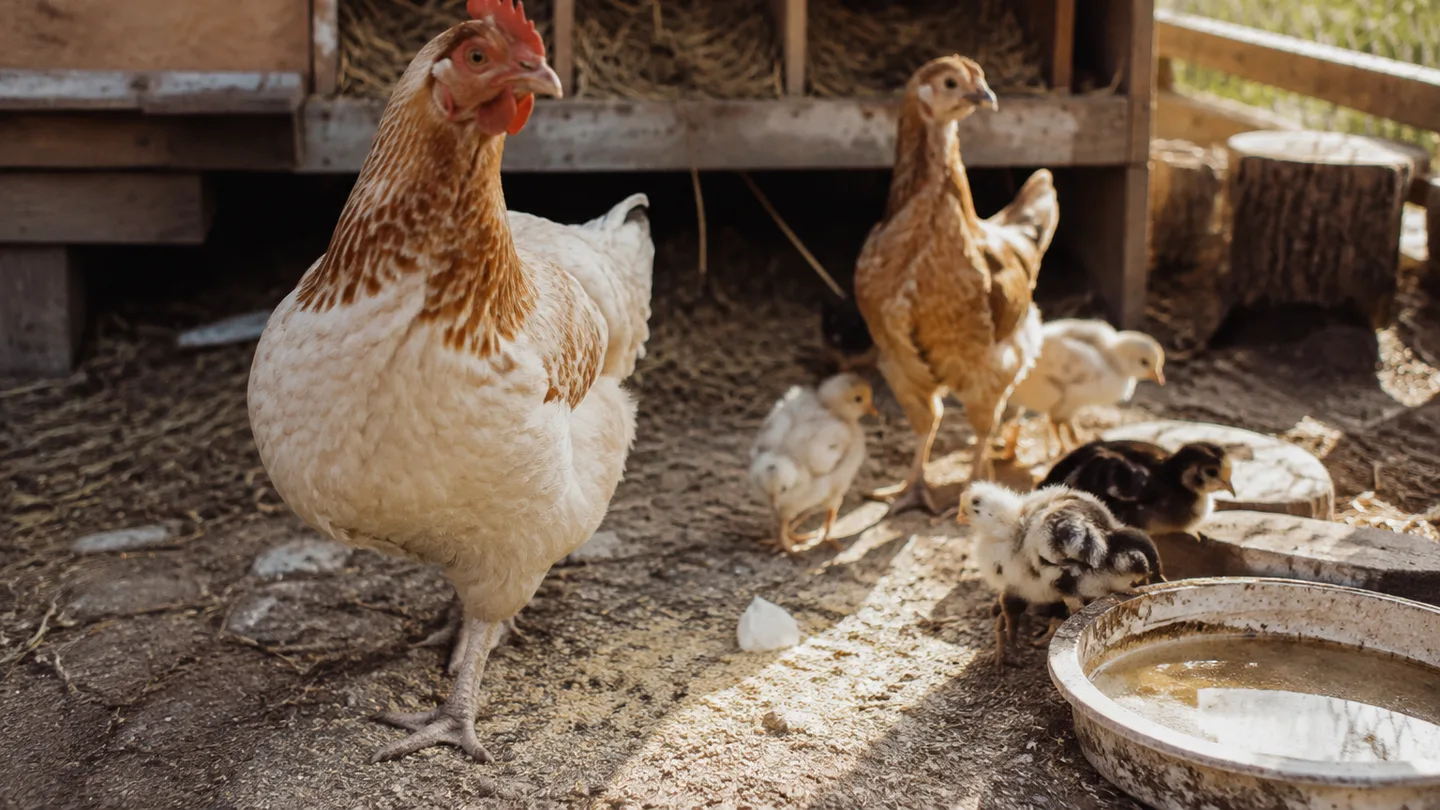
Six levers that move a hen toward the short or long end of 5–10 years
Longevity is mostly the result of repeated ordinary choices. None of these steps makes a guarantee, but each removes a common source of preventable stress or injury.
1. Secure the flock from predators. For a small run, I’d use 1/2-inch hardware cloth over openings where a raccoon, weasel, or other small predator could reach through. Close and latch the coop at night. A sturdy roof, sound hinges, and a buried or outward-turning barrier matter more than decorative features. Spend your first repair hour on chicken run predator protection, not on making the coop look finished.
2. Give birds usable space. A sensible starting point is about 4 square feet of indoor floor space and 8–10 square feet of run space per hen. That is a starting point for a small backyard setup, not a universal law. Hot climates, long periods of confinement, large breeds, and tense flock dynamics may call for more. Space reduces competition for roosts, feeders, water, and shade.
3. Keep air moving without creating a draft at roost level. Moisture trapped inside a coop makes bedding and surfaces damp. Poor air exchange also lets odours and irritating air build up. Check your chicken coop ventilation before buying a heater. A dry, well-ventilated coop is usually a better longevity investment than a warm but sealed box.
4. Feed for maintenance, not just eggs. Use a complete ration suited to the bird’s stage, and keep clean water available every day. Treats should stay secondary. A hen that fills up on low-nutrient scraps may look busy eating while missing the nutrients needed for muscle, feathers, and bone.
5. Control parasites and disease early. Check combs, skin, vent feathers, feet, droppings, appetite, and behaviour during routine visits. If several birds change at once, think about feed, water, heat, ventilation, or contagious disease before blaming age. For a rough-feathered or restless bird, compare the signs with a careful guide to molting chickens rather than assuming every feather problem is a molt.
6. Manage heat, cold, and crowding. Shade, cool drinking water, and airflow become critical during hot weather. In winter, dry bedding and protection from wind usually matter more than making the whole coop hot. Read do chickens need heat in winter before adding electrical equipment, especially if cords or heaters could be pecked, knocked over, or exposed to bedding.
My judgment call is that predator protection and dry housing deserve priority over anything designed to preserve peak egg numbers. A hen that lays slightly less but avoids repeated stress is still a successful backyard bird.
At six years and beyond, separate normal aging from a bird that needs help
Older hens often move more slowly. They may lay less, molt more heavily, recover more gradually, and carry less muscle over the breast. Those changes deserve observation, not automatic dismissal. The useful question is whether the change is gradual and stable or sudden and worsening.
In my own small flock, Hazel was six when I first noticed that she spent longer resting after her molt. She still ate and drank normally, walked to the roost, and returned to the flock each evening. I placed feed and water where she did not have to push through the younger birds, and I watched her body condition instead of chasing her old egg count. That was an age-related management change, not a reason to treat her as sick. The important detail was that her appetite, mobility, and social behaviour remained steady.
| What you notice | How I’d read it | What to do next |
|---|---|---|
| Fewer eggs over many months | May fit normal aging | Check body condition and general behaviour |
| Longer or rougher molt | May be age, stress, parasites, or nutrition | Inspect skin and feathers, then review feed and flock pressure |
| Sudden weight loss or isolation | Not something to label as ordinary aging | Separate for observation and seek veterinary guidance |
| Laboured breathing, inability to stand, severe diarrhoea, bleeding, or prolapse | Urgent problem until assessed | Contact a poultry veterinarian or local extension office |
| Refusing food and water for about 24 hours | Serious loss of function | Arrange veterinary advice rather than waiting for age to explain it |
Supportive home care can include a quiet, clean recovery space, easy access to water and feed, and protection from flock pressure. It should not become a substitute for diagnosis when a bird is deteriorating. For a second opinion, use university extension backyard poultry guidance or poultry veterinarian guidance on senior hens, then follow the product label or veterinary direction for any medication. I would not invent a dose from a general internet comment.
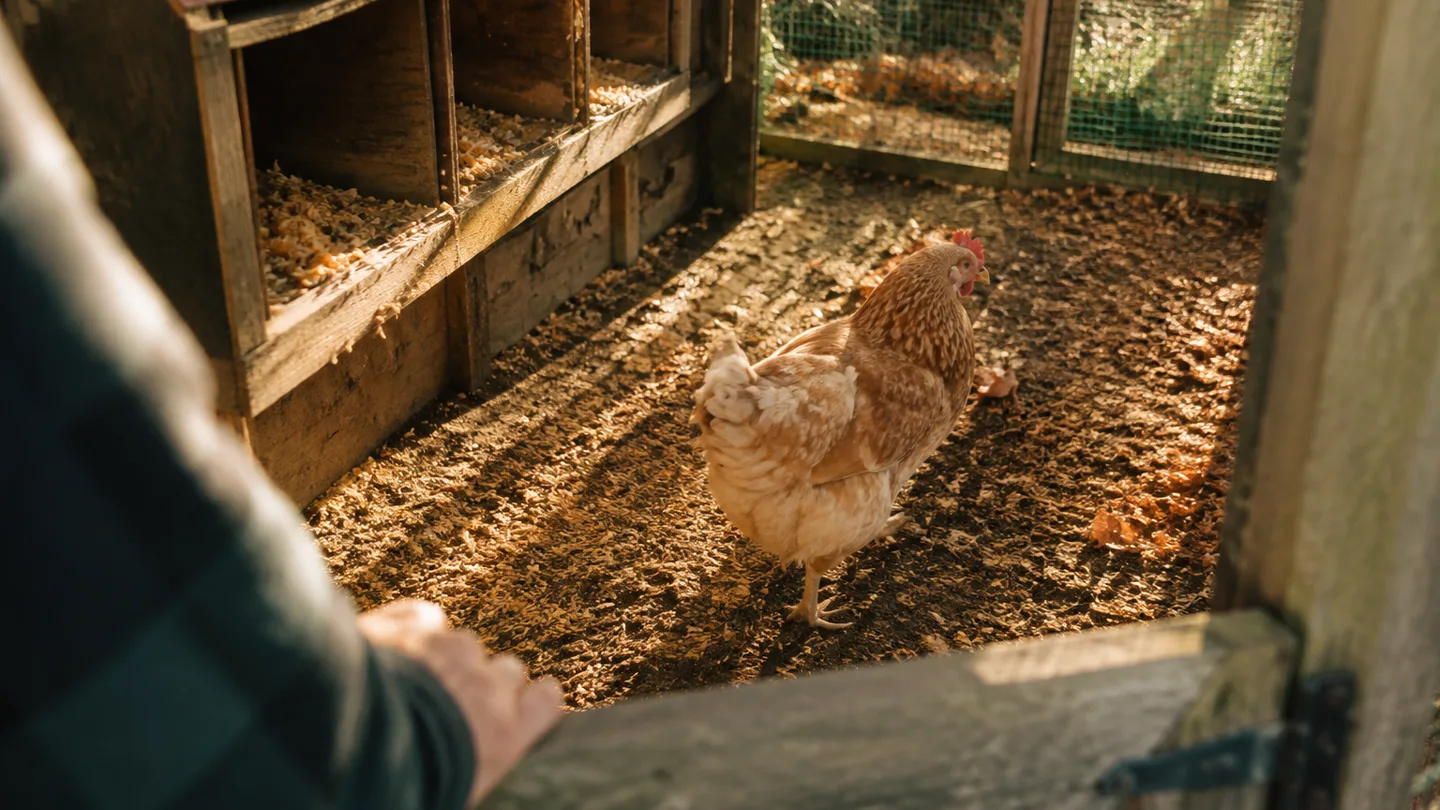
Build a ten-year flock plan, not just a first-year egg plan
If you keep three to twelve hens, decide now what happens when some birds become seniors. Are you prepared to keep hens after production falls? Do you have a small isolation or recovery space? Can you add younger birds gradually without forcing an older hen to defend herself against a sudden crowd of strangers?
A flock of four or six pullets bought in the same season will often age together. That can create a predictable gap in egg supply several years later. My preference is to replace gradually rather than wait until every older bird slows at once. That approach costs more attention during introductions, but it avoids treating a normal production dip as an emergency.
Keep a simple record for each bird: hatch date if known, purchase date, breed or cross, major illnesses, molts, and when laying began. The record turns “she seems old” into something more useful. It also helps you notice whether a sudden decline is unusual for that bird.
This week, write down the age or purchase date of every hen, inspect the run openings and night latch, and look at your flock budget across the full 5–10-year horizon. Include feed, coop repairs, parasite control, and the possibility of veterinary care—not just the value of the eggs. That small exercise will tell you whether your current flock size still fits the life you actually want to manage.