Chicken Worms Symptoms: 7 Signs Your Flock Needs Help
Seven chicken worms symptoms should change what you do next, but they do not prove an infestation. Start with the pattern: is one bird losing condition, passing repeated abnormal droppings, or falling behind the flock, or did you simply notice one odd dropping under the roost?
The signs of worms in chickens overlap with mites, molt, intestinal disease, feed trouble, and ordinary individual illness. Use the list below as a screening tool, then collect evidence before you reach for a dewormer.
- Progressive weight loss or a prominent keel. A breastbone that feels sharper than it did last week means the bird is losing body reserve. Worms are one possibility, not the only one.
- A pale comb or pale wattles. Pallor can accompany poor condition, blood loss, stress, or illness. It cannot identify worms by itself.
- Repeated abnormal droppings. Diarrhea, excess mucus, undigested feed, or a sustained change in color deserves attention, especially alongside weight loss.
- Reduced laying. A drop in eggs can follow illness, heat, molt, short days, stress, or a feed problem as well as an internal parasite burden.
- Lethargy with ruffled feathers. A bird that stands apart, sleeps more, or stops joining normal flock activity needs a closer look.
- Poor growth or declining condition in a pullet. A young bird that eats but fails to keep pace with its flockmates is worth checking promptly.
- Visible worms, segments, coughing, or gaping. Adult worms or tapeworm segments may sometimes be visible. With some parasites, respiratory-looking signs can occur too, but coughing and gaping have many other causes.
One sign cannot confirm a worm problem. For a stable bird, record appetite, water intake, droppings, behavior, and body condition for 7–14 days. Do not use that window for a bird that is deteriorating quickly.
| What you see | Change your next step to |
|---|---|
| One mild change and normal eating, drinking, and movement | Watch closely and record the trend. |
| Several signs, repeated abnormal droppings, or declining condition | Contact a poultry vet or local extension office soon. |
| Collapse, inability to drink, severe breathing trouble, or rapid decline | Seek prompt, same-day veterinary help. |
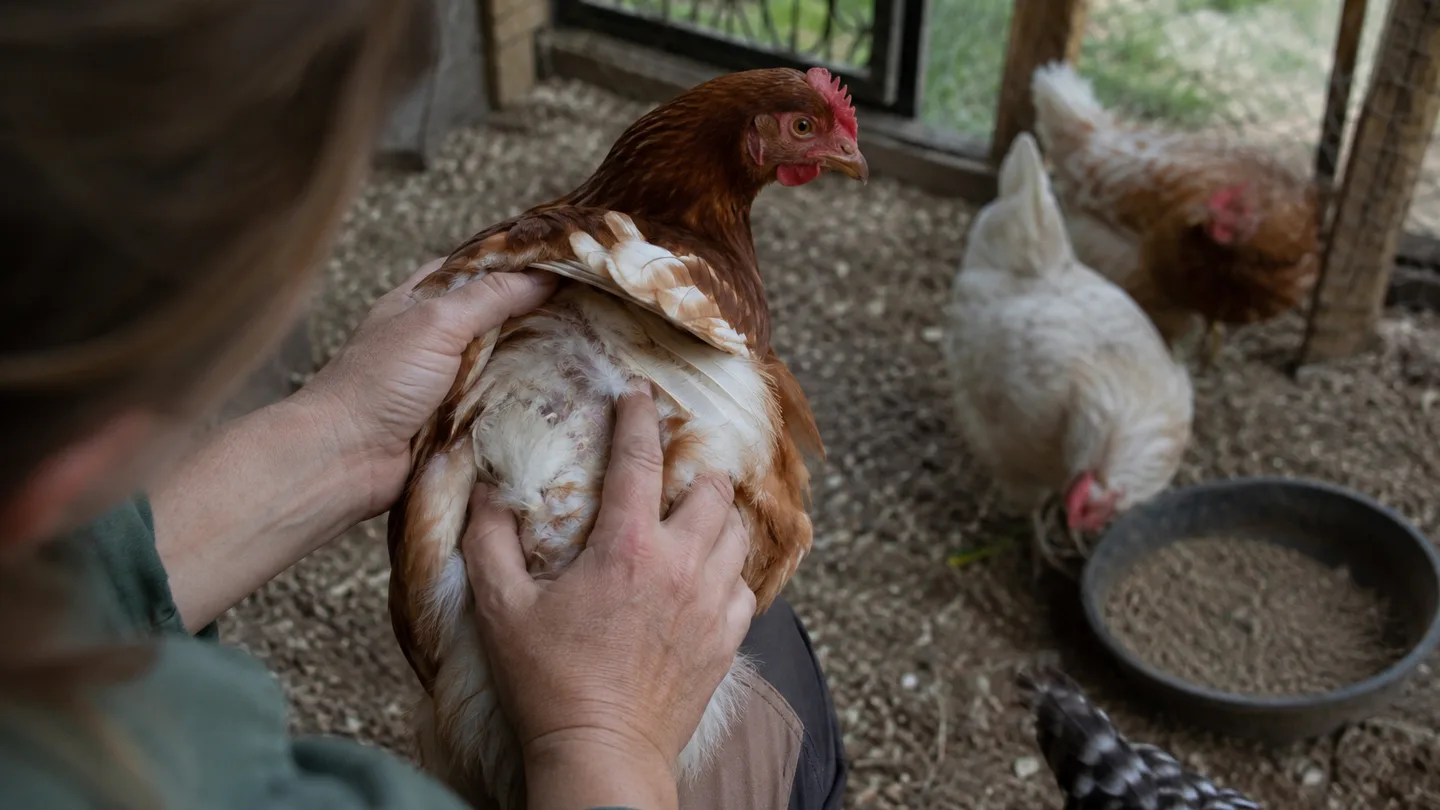
The three-evidence check: fresh droppings, visible parasites, and a fecal exam
Think of diagnosis as three layers. Fresh droppings tell you what is happening now. A visible worm or segment gives you a useful clue when you are lucky enough to see one. A fecal exam can look for microscopic evidence that your eyes cannot.
Start with a fresh, labelled sample
Collect the sample before you rake, hose, or replace the litter. If one bird is affected, keep that bird’s sample separate and write down its leg-band color or other identifier, the date, and the time. A pooled sample from several birds can help show that exposure may be present in the flock, but it cannot tell you which bird is shedding the material.
Use the container and storage method your vet or lab requests. Ask your vet about fecal flotation and how the lab wants the sample handled. Timing matters because parasite shedding is not necessarily constant, and the material found in one sample may not represent every parasite affecting a bird.
Know what your eyes can miss
Adult roundworms or tapeworm segments are large enough to be seen in some cases. Many eggs and other parasite stages are microscopic. A clean-looking dropping does not clear a bird, and an ugly-looking dropping does not name the cause.
In my own small backyard setup, I once found a hen standing apart under the roost with a washed-out comb and loose droppings. My first impulse was to strip the coop. That was the wrong order. I cleaned before collecting a sample, so I lost the best evidence from that morning. The next day I placed a fresh liner under her, noted the time and her identifying mark, and kept her usual feed and water available. The useful lesson was simple: in my own coop, a fresh labelled sample gives the vet something testable, while a visual check alone cannot replace a fecal exam.
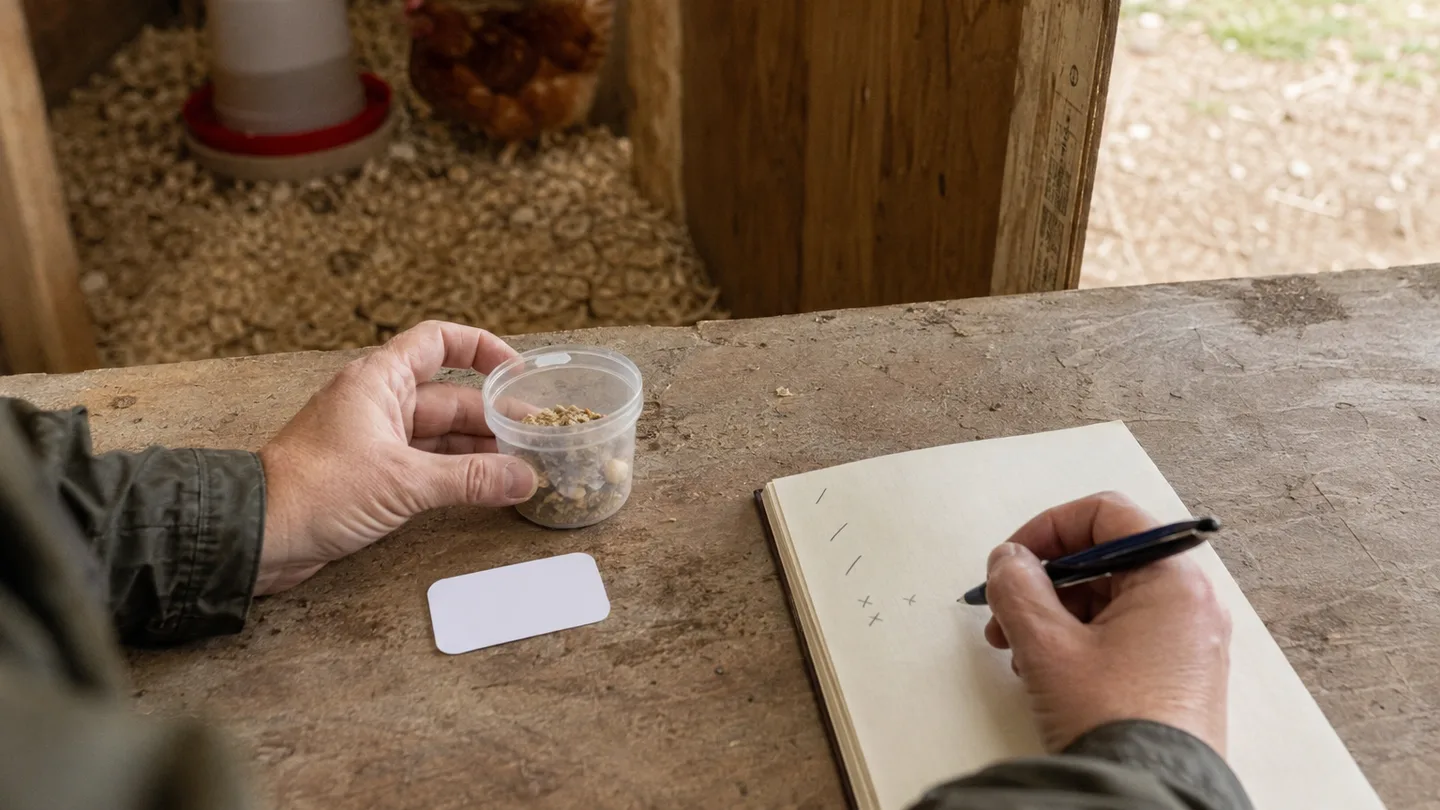
Before you blame worms, rule out four common look-alikes
The same outward change can come from several different problems. I use the pattern to decide what to inspect first, not to make a diagnosis from the run gate.
| Look-alike | Pattern that shifts suspicion |
|---|---|
| Mites or lice | Itching, broken feathers, vent crusting, or pepper-like debris around the skin and roost cracks. If that is the pattern, compare it with the practical steps in chicken mites treatment. |
| A demanding molt | Feather loss spread over several weeks, visible pin feathers, and otherwise steady appetite can fit molting chickens better than worms. A rough 4–8-week period is a seasonal clue, not a diagnosis or a deadline. |
| Intestinal disease | Blood or mucus, watery droppings, straining, or a sudden decline can occur with coccidiosis and other intestinal problems that overlap with worm signs. |
| Feed, water, reproductive, or individual illness | If the whole flock changes after a feed or water problem, inspect that system first. If one bird declines alone, inspect that bird, its crop, body condition, and droppings before treating everyone. |
Look at the timeline as well as the symptom. A slow change over several weeks points you toward a different check than a flock-wide change that appeared after a new feed bag, a blocked waterer, or a muddy run. Neither pattern proves anything, but each helps you avoid giving a worm treatment to a bird with an unrelated problem.
The first 24 hours: stabilize the bird and preserve useful evidence
Your first job is not to name the parasite. It is to keep the bird able to drink, reduce preventable stress, and preserve information that can guide the next decision.
- Check function first. Watch whether the bird can stand, walk, breathe comfortably, and drink. A bird that cannot stay upright or reach water is not a wait-and-see case.
- Separate only for a clear practical reason. If flockmates are bullying the bird or blocking access to feed and water, use a safe pen where you can monitor it. Do not make solitary housing the automatic response to a suspected worm problem; ask a vet about isolation if another contagious illness is also possible.
- Collect a fresh sample before cleaning. Note the bird, time, appearance, appetite, and any visible material. Then remove wet fecal buildup so the flock is not standing in it.
- Refresh the basics. Offer the usual complete feed and clean water. Avoid changing feed, adding several supplements, and starting a medication all at once. If the bird improves, you will still need to know what caused the change.
- Call for targeted advice. Give the vet or extension office the timeline, flock size, age, recent weather, feed changes, and whether one bird or several are affected.
Do not guess at a dewormer, mix products, or copy a dose intended for another bird. The active ingredient, route, species, product label, and legal use all matter. Check the current poultry dewormer labels and egg-withdrawal requirements for your jurisdiction, or follow the prescribing vet’s instructions. Egg and meat withdrawal is not one universal number.
Collapse, severe breathing trouble, inability to drink, or rapid deterioration are reasons to seek prompt veterinary help. A bird in that state needs more than a home remedy chosen from a symptom search.
Treatment is only half the job: break the reinfection cycle over 2–4 weeks
For parasites with environmentally persistent stages, treatment inside the bird does not remove what may remain in contaminated litter, soil, or heavily used range areas. The practical chain is droppings to ground or bedding, then pecking or contact, then another exposure. That is why a correctly chosen treatment can be followed by another problem if the surroundings stay wet and heavily contaminated.
I use 2–4 weeks as a follow-through window for cleaning, drying, observation, and reducing exposure. It is not a universal repeat-treatment interval. Repeat treatment and retesting belong to the product label or your veterinary plan.
- Remove wet litter and manure from the areas birds use most, then let the surface dry before adding clean bedding.
- Move feeders and waterers away from obvious fecal buildup. Keep them clean and positioned so birds are less likely to scratch bedding into them.
- Reduce crowding and limit access to muddy, heavily used ground while you are working out the cause.
- Record appetite, droppings, body condition, and laying. A returning pattern matters more than one better morning.
- If signs persist or return, ask whether the bird needs a repeat fecal exam rather than repeating a medicine by memory.
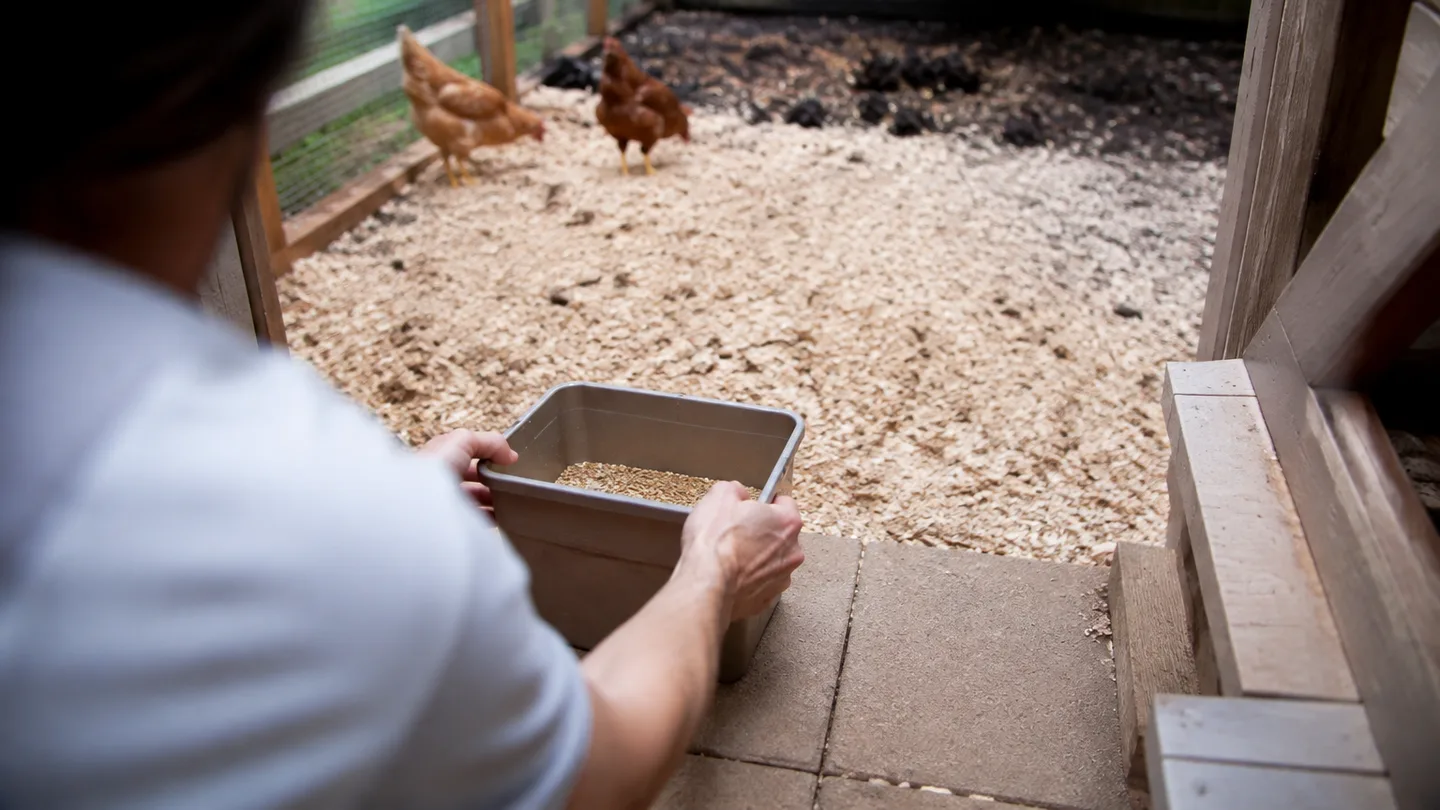
For the cleanup itself, use the steps in how to clean a chicken coop, but keep the order straight: sample first, clean second, then monitor. Scrubbing without collecting evidence feels productive, but it can leave you with a spotless coop and no useful answer.
Can you see chicken worms in droppings?
Sometimes. Adult roundworms or tapeworm segments may be visible, but many worm eggs and smaller parasite stages are not. A visual check cannot replace a fecal examination when symptoms continue.
Should you deworm the whole flock if only one hen shows symptoms?
Not automatically. Flock exposure, parasite species, product labeling, and veterinary guidance determine whether whole-flock treatment is appropriate. Do not share a guessed dose between birds.
How long after deworming can you eat the eggs?
Use the withdrawal period on the current product label or the prescribing vet’s instructions. The interval can differ by active ingredient, use pattern, and jurisdiction, so never assume it is zero days.
This week, put a clean liner under the roost tonight, label the first fresh sample from any bird that looks unwell, and call before medicating. That one small habit connects worm troubleshooting to the wider job of keeping a clean, dry, observable flock.
Frequently Asked Questions
Can you see chicken worms in droppings?
Sometimes adult roundworms or tapeworm segments are visible, but many worm eggs and smaller parasites are not. A visual check cannot replace a veterinary fecal examination when symptoms continue.
Should you deworm the whole flock if only one hen shows symptoms?
Not automatically. Flock exposure, parasite species, product labeling, and local veterinary guidance determine whether whole-flock treatment is appropriate; do not share a guessed dose between birds.
How long after deworming can you eat the eggs?
Use only the withdrawal period on the current product label or the prescribing vet’s instructions. The interval can differ by active ingredient, use pattern, and jurisdiction, so never assume it is zero days.