Raising Backyard Chickens for Eggs: A Practical Starter Plan
Four hens need a home before they need names. A practical starter plan gives each bird at least 4 square feet indoors and 10 square feet in a covered run, so four hens mean 16 square feet of usable coop floor and 40 square feet outside. Raising backyard chickens for eggs gets much easier when you settle the legal, housing, feed, and daily-check questions before you order birds.
That isn't a promise of four identical layers. Breed, age, daylight, stress, broodiness, and molt will move the egg basket. The aim is a flock you can care for on an ordinary Tuesday, not a setup that works only in perfect weather.
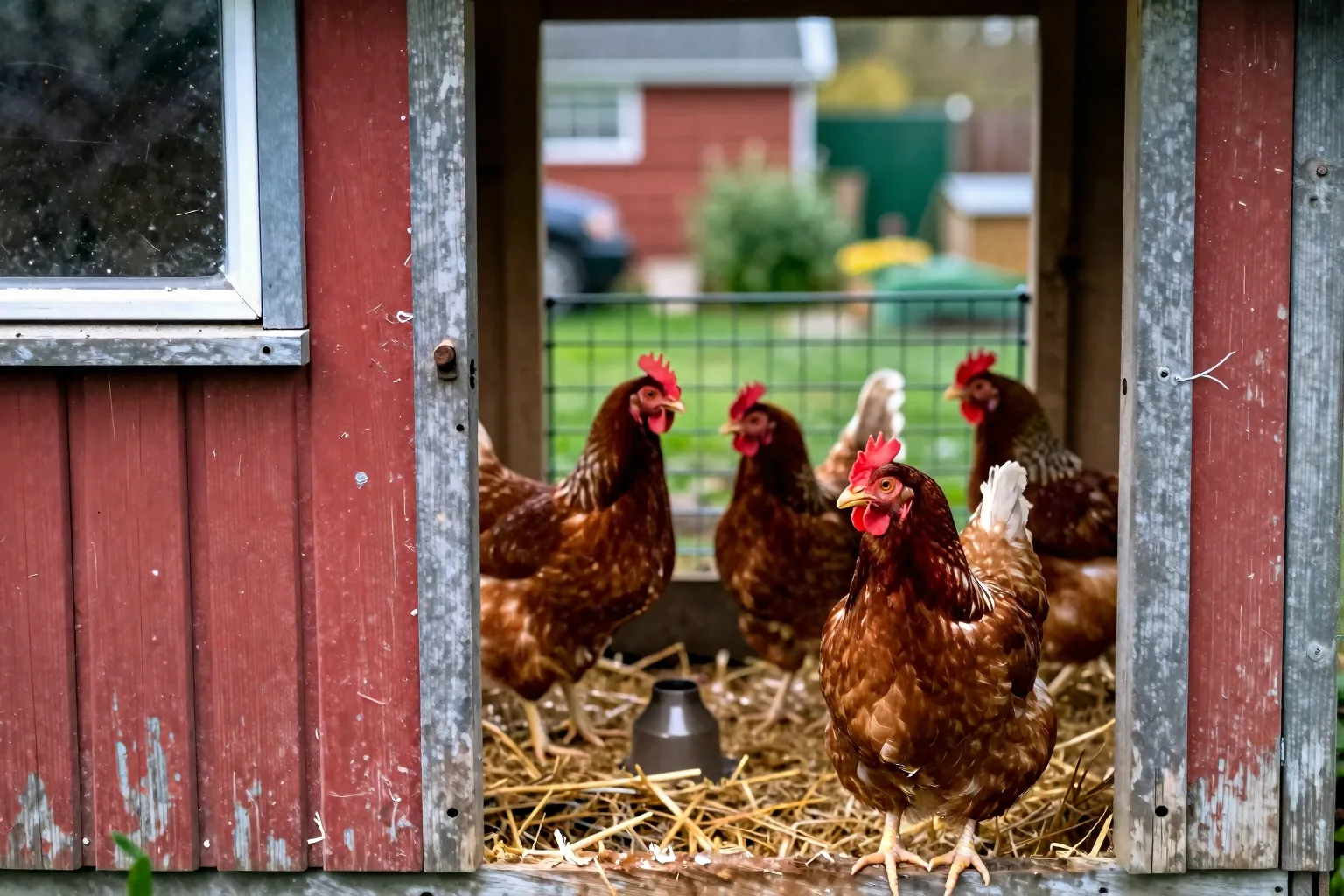
Decide on the egg flock before you buy a coop
Start with the number you can house securely. Three or four hens is a sensible first flock if local rules, neighbors, and your yard allow it. It is large enough to count at a glance. If one hen is broody, molting, or sick, though, you have less spare laying capacity.
Before buying birds, read local municipal or county backyard-chicken ordinances. Check flock limits, setbacks, permits, rooster restrictions, and nuisance rules about noise or waste. Then look at the route between your house and the coop. A ten-minute walk across a muddy yard becomes a real chore in January.
Set an egg goal as a range, not a promise. Chicks put the first eggs months away, while older pullets may shorten the wait. Shorter days, heat, stress, and molt can reduce laying. A rooster isn't needed for an egg-only flock unless fertile eggs are part of your plan.
Four square feet inside is a starting point, not a ceiling
Measure usable area, not the whole shed. For this plan, allow at least 4 square feet of indoor floor per hen and 8–10 square feet of run per hen when regular outdoor access is available. If birds will be confined for long stretches, or your weather is wet, snowy, or persistently cold, plan closer to 5–6 square feet inside and 12–15 outside.
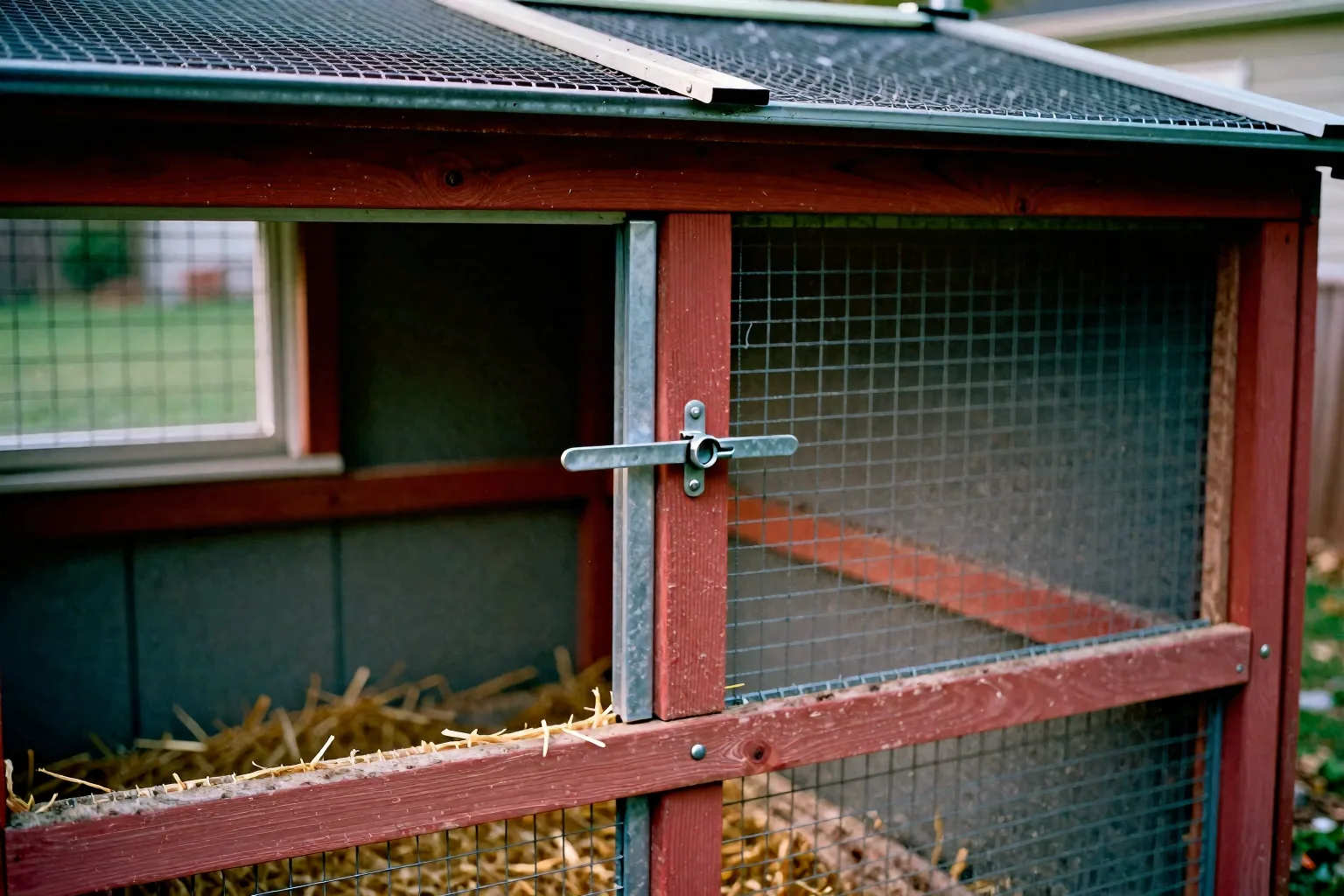
Planning example: Maya's four-hen yard has a 4-by-4-foot usable coop and a 4-by-10-foot covered run. That meets the starter minimums. If winter will keep those hens inside, extending the run is a better adjustment than hoping free-ranging solves the problem.
Give each hen about 8–10 inches of stable roost length. One nest box for 3–4 hens is a workable starting ratio, and a second box can reduce queuing. Keep boxes darker and drier than the run.
Free-ranging is enrichment, not infrastructure. Your birds still need a dry night shelter, a secure run for unsupervised hours, and shade or cover for storms and predators. The companion guide How Much Coop and Run Space Do Chickens Need? can help you test these measurements against your site.
Pullets, chicks, and breed choice: match the birds to your calendar
Sexed chicks can shift some cost into a brooder, feed, and your time. They need chick-safe housing, close observation, and several weeks of controlled warmth before adult housing. How to Set Up a Brooder for Chicks covers that separate job.
Started pullets have passed the most hands-on chick stage. They can shorten the wait and reduce equipment, although more of your spending may sit in the purchase price. Point-of-lay is a seller description, not a guaranteed date. Transport, age, breed, daylight, and body condition still matter.
Choose birds for temperament, climate tolerance, egg size, production tendency, noise, and local availability. Buy from a source that can explain its sexing process and health practices. If avoiding a rooster matters, ask how mis-sexed chicks are handled.
Build for airflow by day and security every night
A coop should release moisture without blowing cold air directly across roosting birds. Put protected openings high on opposite walls or under the roofline. Keep rain from driving through them. Wet litter and stale air make a poor combination.
- Cover windows, vents, and run openings with 1/2-inch hardware cloth. Fasten it with screws and washers, not a few loose staples.
- Extend a ground-level wire apron about 12 inches outward, or bury it, where digging predators test the edge.
- Use a weatherproof roof with an overhang. Keep bedding dry, and store feed in a lidded container.
- Fit a latch that takes two deliberate movements. Close the coop every night, even with an automatic door.
Chicken wire can separate birds, but it isn't the security layer to rely on for openings. No barrier defeats every predator or installation error. After a storm or attempted entry, inspect for lifted edges, fresh holes, and bent fasteners. Predator security is a condition you maintain.
The first-year budget has two very different halves
Separate the first bill from the monthly bill. For a U.S. planning exercise, a 3–4-hen setup may land around $350–$1,200 for birds, housing, run materials, feeder, drinker, and basic supplies. Treat that as an illustrative range. The low end assumes substantial DIY or reclaimed materials; the high end fits more ready-made housing. Check current local prices, delivery fees, permits, and seasonal discounts.
Four hens eating roughly 100–150 grams per day each use 12–18 kilograms in a 30-day month:
monthly feed cost = 12–18 kg multiplied by your current local price per kilogram.
Plan another illustrative $5–$20 per month for bedding and small consumables. The companion calculation How Much Does It Cost to Feed Four Backyard Hens Each Month? lets you substitute your bag size and local price.
Your daily ration is simple: feed, water, grit, and calcium
Keep the ration complete. Chicks get chick starter, growing pullets get grower feed, and laying hens get a complete layer ration at laying age. Follow the product label for transitions instead of adding supplements to correct a guessed deficiency.
Clean water stays available. A practical rule is to inspect the drinker at least twice daily during hot weather or freezing conditions. Heat increases evaporation and fouling risk. Cold can turn a full container into ice.
Offer insoluble grit separately when your birds eat grass, insects, whole grains, or other items that need grinding. Offer oyster shell or another labeled calcium source in a separate dish. Keep treats and scraps to roughly 10% or less of the diet. Keepers commonly use that ceiling because complete feed should remain the main source of nutrients. Skip moldy, spoiled, heavily salted, or unidentified scraps.
The first 30 days: settle birds and protect flock health
Before arrival, put feed, water, dry bedding, and a secure enclosure in place. Let new birds find the coop and run without turning the first hour into a handling session. During week one, watch whether each bird eats, drinks, stands normally, and can reach the feeder.
If you already have hens, use separate airspace for additions. A cautious starting figure is about 30 days of quarantine, with separate equipment and footwear where practical. Thirty days is a conservative planning choice, not a guarantee that every infection will declare itself.
Isolate a visibly sick or injured hen and contact a poultry veterinarian or local extension office for breathing trouble, inability to stand, severe bleeding, prolapse, repeated bloody droppings, or rapid decline. Home observation is triage, not diagnosis.
A five-minute routine catches small problems early
Make the daily check short enough to repeat. In the morning, count birds, inspect water, check feed access, and scan for a new hole. In the evening, count again, look for a hen sitting apart, watch gait and breathing, and close the coop. Note changes in appetite, droppings, comb appearance, or egg production.
Collect eggs at least once a day. In very hot weather, a second collection limits the time eggs sit in heat. Once a week, wash drinkers, remove wet bedding, inspect roosts and nest boxes, and test latches and wire edges. Observation catches change early, but it cannot identify the cause.
Molt, winter, and egg handling change the plan after summer
The first full year will not be a straight line of full baskets. Shorter daylight can slow laying, and a molt can make a healthy hen look rough while new feathers grow over several weeks. A molting bird should still eat, drink, move, and hold her condition. Lethargy or weight loss points away from a routine molt.
For healthy, acclimated adult hens, make the coop dry, draft-protected, and well ventilated before reaching for routine supplemental heat. Chicks, sick birds, and unusually severe local conditions need a separate risk assessment. The decision tree in Do Chickens Need Heat in Winter? is the right next read.
Handle eggs according to local food-safety rules and your storage method. Collect cracked eggs separately, record collection dates, and check whether your jurisdiction expects washing, refrigeration, or particular labeling. Peak production is not permanent, so don't add replacement birds on impulse.
Make the commitment: a three-to-four-hen setup you can build this week
For four hens, commit to 16 square feet of usable indoor floor, 40 square feet of covered run, 1/2-inch hardware cloth, high protected ventilation, a weatherproof roof, one or two nest boxes, 32–40 inches of roost length, a feeder, a drinker, complete layer feed, grit, separate calcium, and dry bedding.
Build it in this order:
- Day 1: confirm the ordinance, setbacks, shade, drainage, and a person who can check the flock during travel.
- Days 2–4: build the coop and run. Test the perimeter, latches, roof runoff, and wire edges.
- Day 5: buy feed, bedding, waterer, feeder, grit, calcium, and veterinarian-approved first-aid supplies.
- Day 6: fill the drinker, test the night latch, and leave the housing ready for a full day.
- Day 7: collect birds only if the enclosure passes those checks. If it doesn't, delay pickup.
A smaller setup lowers the initial outlay but leaves less room during rain, snow, quarantine, or flock conflict. Extra run space costs more, but it can make cleaning and bad-weather management easier. This week, measure the site and price your actual feed with How Much Does It Cost to Feed Four Backyard Hens Each Month? before placing an order.
Do you need a rooster for backyard eggs?
No. Hens form eggs without a rooster. You need a rooster for fertile eggs and hatching, and local rules may treat roosters differently from hens.
How long can backyard chickens be left alone?
Arrange for a person to check them at least daily. An automatic feeder or door cannot inspect water, injuries, weather exposure, flock conflict, or predator damage.
What should you do if a hen goes broody when you only want eggs?
Decide whether hatching belongs in your plan. If it doesn't, use a secure, well-ventilated separate area with food and water to discourage prolonged nest sitting. If she becomes weak or stops eating and drinking, seek veterinary advice.
Frequently Asked Questions
Do you need a rooster for backyard eggs?
No. Hens lay without a rooster; a rooster is needed only for fertile eggs and brings additional noise, space, and management considerations.
How long can backyard chickens be left alone?
Arrange for a person to check them at least daily. Automatic feeders do not replace checking water, injuries, weather exposure, flock conflict, or predator damage.
What should you do if a hen goes broody when you only want eggs?
Decide whether hatching is part of the plan. If not, use a secure, well-ventilated separate area with food and water to discourage prolonged nest sitting, and seek veterinary advice if the hen becomes weak or stops eating and drinking.